

Table of Contents
Introduction: The Drink I Thought Was Healthy Was Quietly Wrecking My Gut
About two years ago, I made what I thought was a smart decision.
I swapped my daily soda for zero sugar versions. Diet cola in the morning, sugar-free energy drink in the afternoon, and the occasional “guilt-free” flavored water at night. I was cutting calories, avoiding sugar spikes — basically winning at health, right?
Wrong.
Three months in, I had constant bloating, unpredictable digestion, and that foggy, sluggish feeling I couldn’t shake no matter how much sleep I got. My doctor suggested I look at what I was actually drinking.
That’s when I fell down the rabbit hole — and discovered that zero sugar products may affect gut health in ways most of us never hear about at the grocery store.
If you’ve been reaching for the “zero” or “diet” label thinking it’s the safer choice, this article is going to open your eyes — and give you some practical alternatives that actually support your body instead of quietly disrupting it.
The Problem: We Were Sold a Story That Isn’t the Full Picture
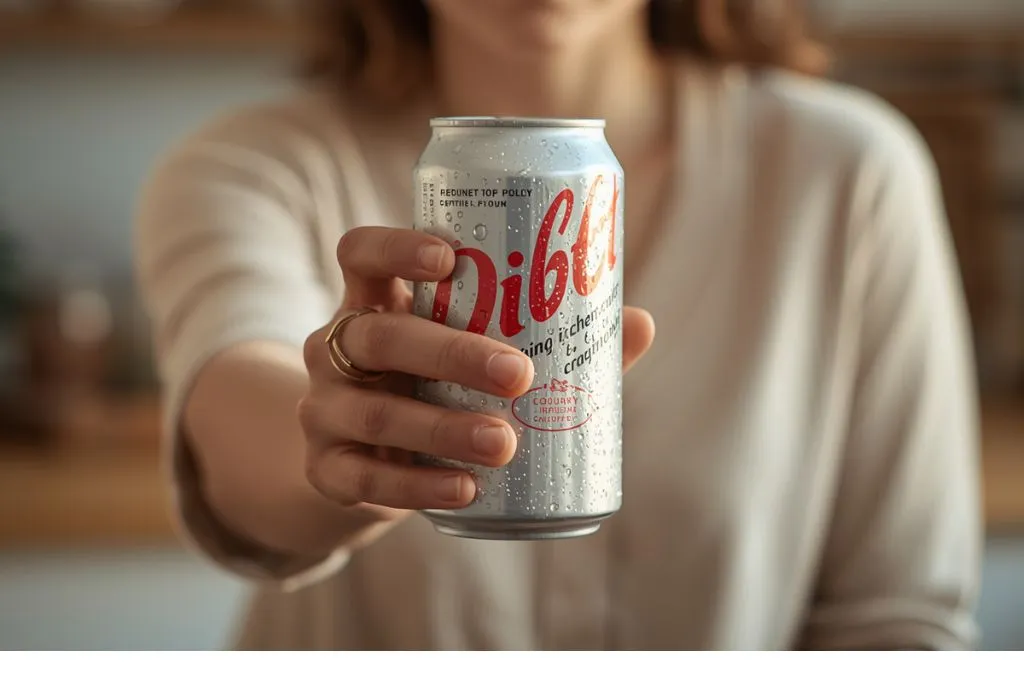
The marketing around zero sugar products is genuinely brilliant.
No calories. No sugar. No guilt. The packaging is clean, the branding is sleek, and the message is clear — this is the healthy choice. And for years, most of us bought it. Literally.
But here’s where things get complicated.
Just because something has zero sugar doesn’t mean it has zero impact on your body. And the part of your body that’s taking the quiet hit? Your gut.
Your gut isn’t just a digestion machine. It’s home to trillions of bacteria — your gut microbiome — that influence everything from your immune system to your mood to your metabolism. When that ecosystem gets disrupted, things start going wrong in ways that can be hard to trace back to the source.
And the growing body of research now suggests that zero sugar products may affect gut health by altering that microbiome in ways that have real, measurable consequences.
This isn’t fringe science anymore. It’s being studied at major universities and published in peer-reviewed journals. The findings are worth paying attention to.
What the New Research Actually Says
Here’s a plain-English breakdown of what scientists have been finding.
Several recent studies have looked at how artificial sweeteners — the ingredients that make zero sugar products sweet without the calories — interact with gut bacteria.
The results are eye-opening.
Sweeteners like sucralose, aspartame, saccharin, and acesulfame potassium don’t just pass through your system without doing anything. Research suggests they can change the composition of your gut microbiome — meaning they may reduce certain beneficial bacteria while potentially allowing less helpful ones to thrive.
One study found that consuming sucralose regularly was associated with changes in gut bacteria populations and increased intestinal permeability — sometimes called “leaky gut.” Another found that saccharin altered blood sugar responses in some participants by changing their gut microbiome, even though saccharin itself contains no sugar.
This is exactly the paradox: you’re drinking something with zero sugar, but it may be triggering metabolic and digestive responses that mimic what sugar does — just through a different mechanism.
This is why researchers now say that zero sugar products may affect gut health in ways that go far beyond what we originally understood. And honestly? The science is still catching up. We’re early in the research, but what we’re finding so far is enough to make you think twice.

So What’s Actually Happening in Your Gut?
Think of your gut microbiome like a garden.
A healthy garden has a diverse range of plants — different species supporting each other, creating a balanced ecosystem. When that balance is maintained, everything flourishes. Your digestion works well, your immune system is strong, your energy is stable.
Now imagine spraying that garden with something that looks harmless on the label but quietly changes the soil composition over time. Some plants start struggling. Others take over. The balance shifts. And slowly, the garden starts producing less of what you need.
That’s roughly what some researchers believe may happen when you regularly consume artificial sweeteners. The zero sugar products may affect gut health connection comes down to this: your gut bacteria recognize these compounds as foreign, react to them, and — over time — the community of bacteria living in your gut may shift in response.
The symptoms people commonly report — bloating, irregular digestion, increased sugar cravings, brain fog — start to make a lot more sense when you look at it this way.

Not All “Zero Sugar” Is Created Equal
Here’s something important: not every zero sugar product is the same, and not every sweetener carries the same risk profile.
Stevia — derived from a plant — has generally shown a more neutral or even positive effect on gut bacteria in early research. Same with monk fruit sweetener. These natural alternatives seem to behave differently in the gut compared to synthetic sweeteners.
Erythritol and xylitol — sugar alcohols — have a mixed picture. Some people tolerate them well; others experience significant digestive upset even in small amounts.
Aspartame, sucralose, and saccharin — the big three artificial sweeteners — are the ones drawing the most scrutiny in recent gut health research. These are also the ones most commonly found in diet sodas, zero sugar energy drinks, sugar-free gum, and “light” yogurts.
If zero sugar products may affect gut health, the evidence points most strongly at these synthetic sweeteners as the likely culprits — rather than zero sugar products as a whole category.
What to Do If You’ve Been Drinking These Regularly
First — don’t panic.
Your gut microbiome is remarkably resilient. It responds to changes quickly, both for better and for worse. Which means that what you do consistently going forward matters more than what you’ve done in the past.
Here’s what actually helps:
1. Read the ingredients, not just the front label A product can say “zero sugar” and still contain sucralose or aspartame. Flip it over and look at what’s actually sweetening it.
2. Reduce gradually, not cold turkey If you’re drinking multiple zero sugar products daily, cutting them all at once can feel brutal — especially if you’re caffeine-dependent. Step it down over two to three weeks.
3. Prioritize gut-supporting foods Fermented foods like yogurt, kefir, kimchi, and sauerkraut actively replenish beneficial gut bacteria. Even adding one serving daily makes a difference over time.
4. Consider a quality probiotic or gut health supplement If you’ve been consuming a lot of artificial sweeteners, supporting your gut with a targeted supplement can help restore balance faster than diet changes alone.
Busy schedules often push us toward quick fixes like zero
sugar drinks. If that sounds like you, these
simple lifestyle hacks for busy people
might help you build a routine that doesn’t depend on them.
The Supplement Conversation (And Why I Started Taking This Seriously)
After doing all this research — and after my own experience with unexplained bloating and digestive issues — I started looking into gut health support more seriously.
There are some genuinely good products out there designed to help restore and maintain a healthy microbiome. I was skeptical at first, honestly. But after a few weeks of being consistent with a quality gut support supplement alongside cutting back on zero sugar drinks, I noticed real changes. Better digestion, less bloating, more stable energy.
I’m not going to tell you a pill fixes everything — it doesn’t. But when zero sugar products may affect gut health by disrupting your microbiome, having something that actively works to rebuild it makes sense as part of the solution.
👉 If you want to see what I personally use to support my gut health, this is it. I only recommend things I’ve actually tried and noticed a difference from.
Real People, Real Symptoms — You’re Not Imagining It
One thing I want to say clearly: if you’ve been consuming zero sugar products regularly and feeling off — the bloating, the cravings, the digestive unpredictability — you’re not being dramatic.
These are real physiological responses. And once you understand that zero sugar products may affect gut health, the dots start connecting pretty fast.
A friend of mine had been struggling with IBS-like symptoms for over a year. She saw multiple doctors. Nobody pinpointed it. Then she cut out her daily diet soda habit — almost on a whim — and within three weeks her symptoms had improved significantly. Was it definitively the sweeteners? She can’t say for certain. But the timing was hard to ignore.
These are the kinds of stories that show up again and again in gut health communities online. And the science is slowly starting to explain why.
Simple Swaps That Actually Taste Good
Cutting back on zero sugar products doesn’t mean drinking plain water forever.
Here are some genuinely good alternatives:
Sparkling water with a squeeze of fresh citrus
fizzy, refreshing, zero artificial anything
Herbal iced teas
naturally caffeine-free options like hibiscus or peppermint are surprisingly good cold,
Kombucha
naturally fizzy, contains beneficial bacteria, available in dozens of flavors now.
Infused water
cucumber and mint, strawberry and basil, lemon and ginger — takes five minutes to prepare.
Coconut water
naturally sweet, contains electrolytes, minimal processing.
These aren’t deprivation choices. They’re genuinely enjoyable once your taste buds recalibrate (and they will, usually within two to three weeks of cutting artificial sweeteners).

The Bottom Line
Here’s what I want you to take away from all of this.
Zero sugar isn’t automatically healthy. The label tells you what’s NOT in the product — it doesn’t tell you what that product is actually doing inside your body.
The evidence that zero sugar products may affect gut health is real, it’s growing, and it’s something worth taking seriously — especially if you’ve been relying on these products as a daily health choice.
You don’t have to throw everything out overnight. But being more aware of what you’re consuming, choosing products sweetened with more natural options where possible, and actively supporting your gut health goes a long way.
Your gut does so much for you. It deserves more than a label that just says “zero.”

👉 Ready to start supporting your gut health properly? Here’s where I’d start. These are resources and products I genuinely believe in — nothing I recommend just for a commission.
Frequently Asked Questions
Q: Do zero sugar products really affect gut health?
A: Yes, emerging research suggests that zero sugar products may affect gut health by altering the composition of gut bacteria. The artificial sweeteners commonly used in these products — including sucralose, aspartame, and saccharin — have been shown in several studies to change the gut microbiome in measurable ways.
Q: Which artificial sweeteners are most concerning for gut health?
A: Based on current research, sucralose, saccharin, and aspartame are the ones drawing the most attention regarding gut microbiome disruption. Natural alternatives like stevia and monk fruit appear to have a more neutral effect, though research is still ongoing.
Q: How long does it take for gut health to improve after cutting zero sugar products?
A: The gut microbiome is surprisingly responsive to dietary changes. Many people notice improvements in digestion and bloating within two to four weeks of reducing artificial sweetener intake. Supporting the process with probiotic-rich foods or supplements can speed things up.
Q: Can one or two zero sugar drinks a day really affect gut health?
This is where zero sugar products may affect gut health even in moderate amounts — it depends on the individual, their overall diet, and their existing gut microbiome health. Some people are more sensitive than others. If you’re noticing digestive symptoms and consuming zero sugar products regularly, it’s worth experimenting with cutting back.
Q: Are sugar-free gums and candies also a concern?
A: Yes. Many sugar-free gums and candies contain the same artificial sweeteners or sugar alcohols found in drinks, and they can have similar effects on gut bacteria — sometimes more concentrated because they’re often consumed multiple times a day.
Q: What’s the best way to support gut health if I’ve been drinking a lot of zero sugar products?
A: A combination approach works best: reduce your intake of products with synthetic sweeteners, increase fermented foods in your diet (yogurt, kefir, kimchi), stay well hydrated with plain water, and consider a quality probiotic supplement to actively help restore bacterial balance.
Q: Is kombucha actually good for gut health?
A: Kombucha contains live cultures and organic acids that may support a healthy gut microbiome. It’s a much better choice than zero sugar sodas for people concerned about gut health — though it does contain small amounts of natural sugar and a trace of alcohol from fermentation.
Q: Should I stop all zero sugar products completely?
A: Not necessarily — especially not all at once. The goal is awareness and moderation. Choosing products sweetened with stevia or monk fruit over those with synthetic sweeteners is a smart first step. Understanding that zero sugar products may affect gut health doesn’t mean you can never enjoy one — it means making more informed choices about how often and which ones.
Health Note: Nothing in this article is medical advice. I’m a blogger who researches health topics — not a doctor or dietitian. If you’re experiencing ongoing digestive issues, please consult a qualified healthcare professional. This article is for informational purposes only.
Heads up: This post contains affiliate links. If you click and buy something through my link, I may earn a small commission — at no extra cost to you. I only ever recommend things I’ve personally used or genuinely believe in. Your trust matters more than any sale.
If you’re someone juggling a packed schedule and reaching for zero sugar drinks just to get through the day, it might help to look at your routine as a whole — check out these simple lifestyle hacks for busy people that can help you manage stress without relying on sugar substitutes for a quick energy fix.