

It’s 9 PM. You just got home from work. Your stomach is growling, and there’s a pack of instant noodles sitting in your cabinet, staring at you like an old, slightly sad friend. You know exactly how this goes — three minutes of boiling water, a sad little seasoning packet, and a bowl of noodles that taste like salt and regret. This is usually the moment people give up on the idea of trying real Chinese noodle recipes altogether, and honestly, that’s the biggest mistake in this whole story.
I used to live like that. Instant noodles three, sometimes four nights a week. It was fast, it was cheap, and honestly, it was fine — until it wasn’t. My skin looked tired. My energy crashed by 3 PM every day. And deep down, I knew I wasn’t actually eating food, I was eating a shortcut.
That’s the thing about Chinese noodle recipes though — real ones, the kind made with garlic hitting hot oil and a splash of soy sauce that fills the whole kitchen — they’re not actually that much harder than boiling a packet. They just feel harder because nobody ever showed us how simple they really are.
Table of Contents
Why We Keep Reaching for the Instant Stuff (Even Though We Know Better)
Let’s be honest about why instant noodles win so often. It’s not because they taste better. It’s because they’re convenient. No thinking, no planning, no chopping. And when you’re tired, convenience beats everything, even your own health.
But here’s the problem nobody talks about. Every time you choose the instant pack over real Chinese noodle recipes, you’re not just skipping flavor — you’re skipping nutrients, skipping the joy of cooking, and honestly, skipping a whole world of food that’s genuinely one of the most comforting cuisines on the planet.
Think about the last time you had proper Chinese noodles — silky lo mein, spicy dan dan noodles, or a rich beef chow fun from your favorite takeout spot. That flavor doesn’t come from a seasoning packet. It comes from technique. And technique is something you can absolutely learn at home, without spending hours in the kitchen.
The problem is most people don’t know where to start. Chinese cooking looks intimidating from the outside — all those sauces, that wok, the unfamiliar ingredients. So people give up before they even try, and go back to the noodle packet. I get it. I was there too.
So What Actually Changed for Me
I stopped guessing. Instead of trying to piece together recipes from random YouTube videos and half-finished blog posts, I found a proper collection of noodle dishes that actually explained why things work, not just what to do. That’s when cooking real Chinese food at home stopped feeling like a chore and started feeling like something I actually looked forward to.
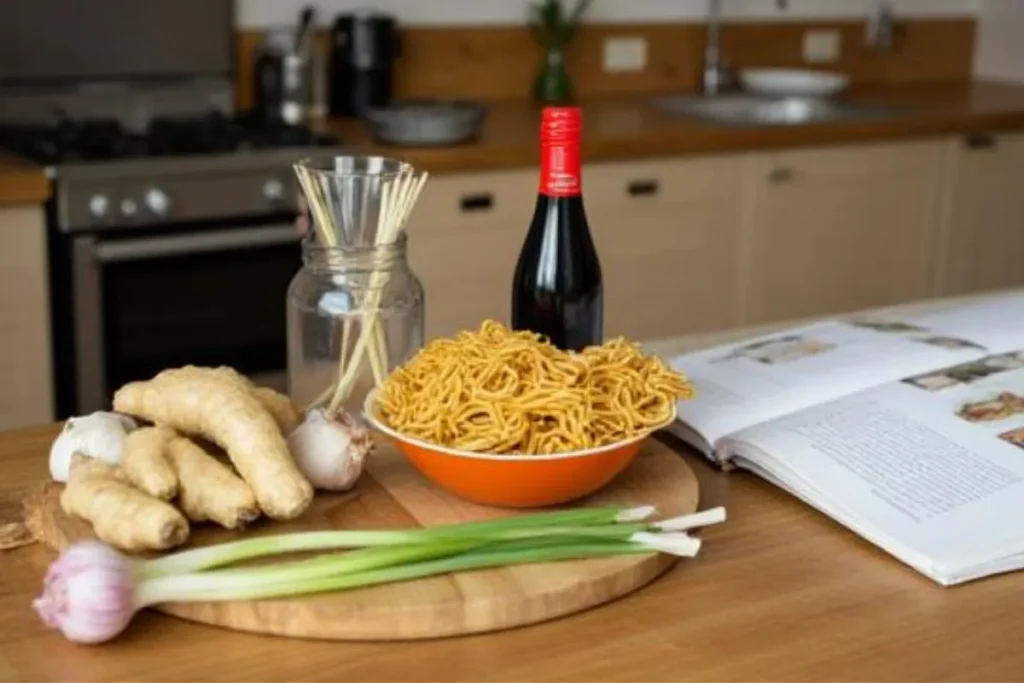
The book that did it for me is 168 Better Than Takeout Chinese Recipes – A Cookbook, and it genuinely changed how I cook on weeknights. It’s not some fancy, complicated cookbook meant for professional chefs. It’s built for home cooks who want restaurant-quality noodle dishes without the stress.
What Makes This Cookbook Actually Worth It
I’ve bought plenty of cookbooks that looked beautiful and then sat on my shelf collecting dust. This one didn’t. Here’s why it earned a permanent spot in my kitchen.
It’s built around real Chinese noodle recipes, not watered-down versions. A lot of “Asian-inspired” cookbooks soften the flavors so much that you end up with something bland. This one doesn’t do that. The dishes inside taste like the real thing — bold, savory, a little spicy when they need to be.
Every recipe explains the “why,” not just the “how.” This is the part that actually helped me improve as a cook. Instead of just listing steps, it explains why you stir-fry noodles on high heat, why you add sauce at a certain point, why garlic goes in before or after the aromatics. Once you understand the “why,” you can start improvising your own Chinese noodle recipes too.
It uses ingredients you can actually find. No hunting down some obscure sauce from a specialty store three towns over. Every dish in this book uses pantry staples most people already have, or can grab from any regular grocery store.
It saves money. This one surprised me the most. A single order of lo mein from takeout can run you $15–18. Making the same noodle dishes at home costs a fraction of that, and you get leftovers.
It teaches technique, not just recipes. Once you understand how sauces are built and why heat matters so much in a wok, you can start riffing on your own. That’s when cooking really starts to feel fun instead of like a checklist you’re following.
It works for meal prep too. A lot of these dishes hold up beautifully in the fridge for two or three days, which means one cooking session can cover several lunches or dinners without any extra effort.
It’s genuinely faster than ordering takeout. Most of the noodle recipes take 20–30 minutes start to finish, which honestly beats waiting for a delivery driver on a busy street.
Real Chinese Noodle Recipes You Can Actually Make Tonight
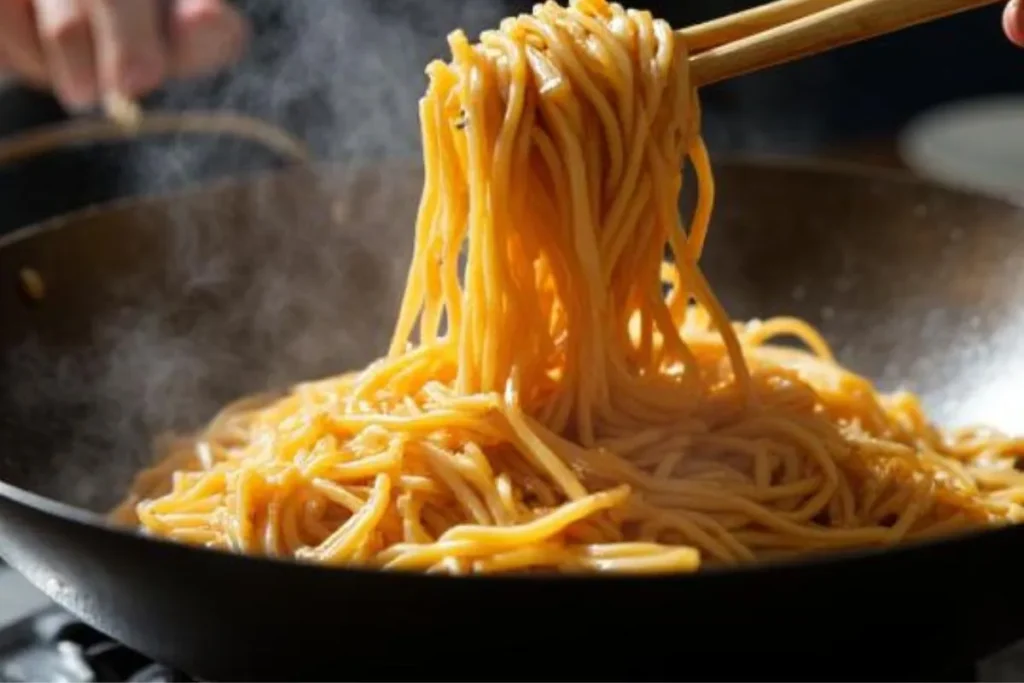
Let me give you a taste of what’s inside, because I think this is where it really clicks for people. Here are 19 Chinese noodle recipes you’ll actually want to make on repeat:
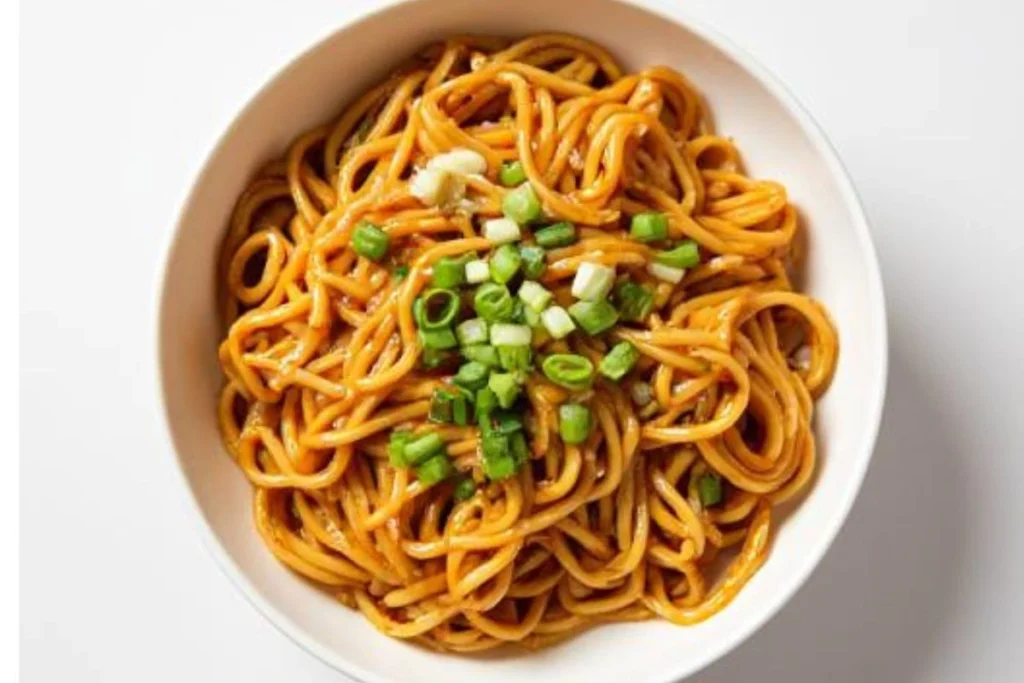
- Garlic Soy Noodles — fifteen minutes, pantry staples, tastes like a Shanghai back-alley restaurant.
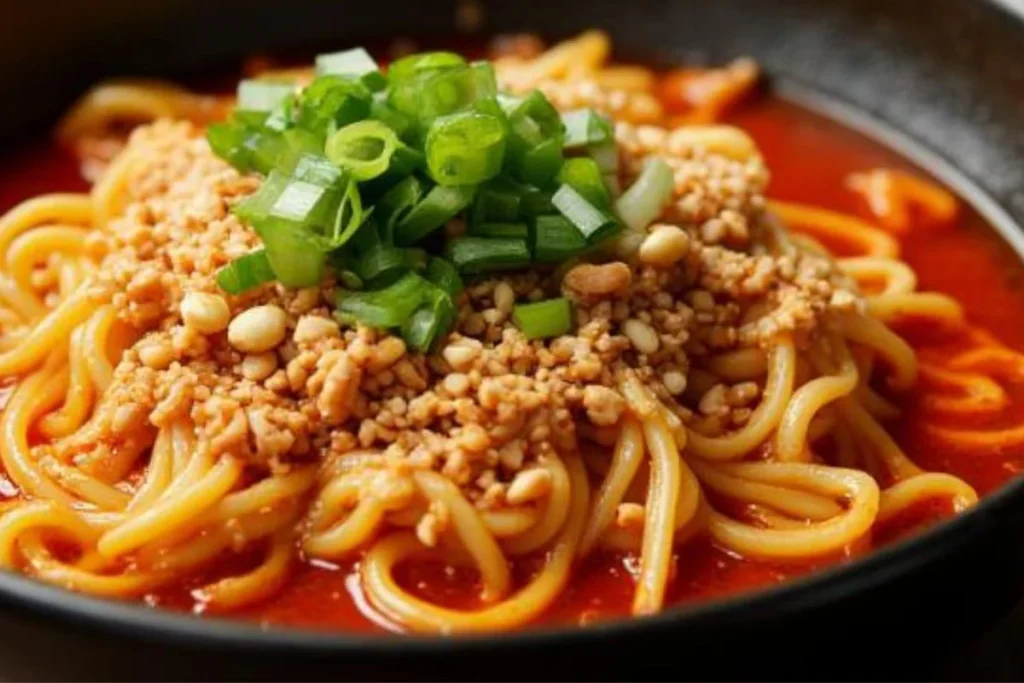
- Spicy Sichuan Dan Dan Noodles — numbing chili oil, ground pork, deeply savory.
- Beef Lo Mein — thin-sliced flank steak, glossy soy-based sauce.
- Chicken Chow Mein — crispy-edged noodles with a light, tangy sauce. (If crispy chicken is more your thing, you’ll also love these homemade Chinese chicken fingers.)
- Scallion Oil Noodles — just five ingredients, ridiculously flavorful for how simple it is.
- Cold Sesame Noodles — perfect for hot days, no stove-babysitting required.
- Shanghai Fried Noodles — thick chewy noodles tossed in a dark, savory sauce.
- Black Pepper Beef Noodles — bold, peppery, restaurant-style stir-fry.
- Vegetable Stir-Fry Noodles — a fridge-clean-out dish that still tastes intentional.
- Mapo Tofu Noodles — spicy, silky tofu spooned over noodles.
- Egg Drop Noodle Soup — comforting, light, ready in under 20 minutes.
- Hot and Sour Noodle Soup — tangy, warming, great for cold nights.
- Char Siu Pork Noodles — sweet-savory glazed pork over noodles.
- Beef Chow Fun — wide rice noodles with smoky wok flavor.
- Chili Garlic Noodles — quick heat with a punchy garlic base.
- Sesame Peanut Noodles — nutty, creamy, kid-friendly too.
- Ginger Scallion Noodles — light, aromatic, great alongside any protein.
- Spicy Peanut Sauce Noodles — bold Sichuan-style peanut heat.
- Shrimp Garlic Noodles — quick-seared shrimp with garlicky sauce.
What I love about these dishes is how adaptable they are. Don’t eat meat? Swap the protein for tofu or mushrooms and the sauce still carries the whole dish. Want it spicier? Add more chili oil. Want it milder? Cut back. The recipes give you a solid foundation, and then let you make it yours.
I remember the first time I made the dan dan noodles from the book for my family. My dad, who’s pretty particular about his food, asked where I “ordered from.” When I told him I cooked it, he didn’t believe me until he watched me make it again the next week. That’s the kind of confidence a good cookbook can give you — the moment you stop apologizing for your cooking and just let people taste it.
My sister tried the same thing a few weeks later with the garlic soy noodles, and now it’s become her go-to for when friends come over. It’s funny how one good recipe can quietly become a whole tradition.
Why These Chinese Noodle Recipes Are Worth Your Time
Let’s break down the actual, practical benefits of learning these noodle dishes, instead of just talking around them.
- Saves real money. A single takeout order easily costs $15–18 per person. Making the same dishes at home usually costs a fraction of that, especially if you’re cooking for a family.
- Saves time on busy days. Most of these dishes come together in 15–30 minutes, which is often faster than waiting for a delivery driver to show up at your door.
- More control over ingredients. When you cook at home, you decide how much oil, salt, and sauce goes in — something you simply can’t control with restaurant food.
- Beginner-friendly, not intimidating. Despite how Chinese cooking looks from the outside, these recipes are built around a handful of repeatable techniques. Once you learn them, you can make dozens of variations.
- Great for meal prep. Many of these noodle dishes store well in the fridge for a couple of days, so one cooking session can stretch across several meals.
- Easy to customize. Vegetarian, spicy, mild, extra protein — these recipes flex easily based on what you have on hand or what you’re in the mood for.
- Builds real cooking confidence. Once a few of these dishes turn out well, cooking stops feeling like a stressful chore and starts feeling like something you’re actually good at.
- A genuinely satisfying alternative to instant noodles. Instead of empty, salty shortcuts, you get a bowl that’s flavorful, filling, and made with ingredients you recognize.
(Note: these are practical and lifestyle benefits, not medical or weight-loss claims — see the Nutrition & Food Safety section below for more on that.)
This Isn’t Just About Noodles — It’s About Changing a Habit
Here’s the honest truth. Learning a handful of solid Chinese noodle recipes doesn’t just fix your dinner problem. It changes your relationship with cooking altogether. Once you realize you can make something this good, this fast, at home, ordering takeout starts to feel like the lazy option instead of the smart one.
And there’s something deeper here too. Cooking your own noodle dishes means you control what goes into your body. No mystery MSG bombs, no oil that’s been reused all day, no sodium levels that make your face puffy the next morning. You get real flavor, made with real ingredients, in your own kitchen.
If you’ve ever felt that quiet frustration of standing in front of your pantry, tired, hungry, and stuck choosing between “boring instant noodles” or “expensive takeout,” this is exactly the gap this cookbook fills. It gives you a third option — real, satisfying meals that are fast, affordable, and actually good for you.
There’s also a small confidence thing that happens once you get a few of these dishes down. You stop feeling nervous about cooking for guests. You stop scrolling through delivery apps out of habit. You start actually looking forward to your own kitchen again, which honestly isn’t something I expected from a cookbook.
If you’re curious what a week of home-cooked Chinese noodle recipes could actually look like instead of another round of instant ramen, this cookbook is worth a look. It’s the kind of book you’ll actually use, not just admire on a shelf.
A Few Honest Tips Before You Dive In
If you’re new to Chinese noodle recipes, a few small things will make a huge difference:
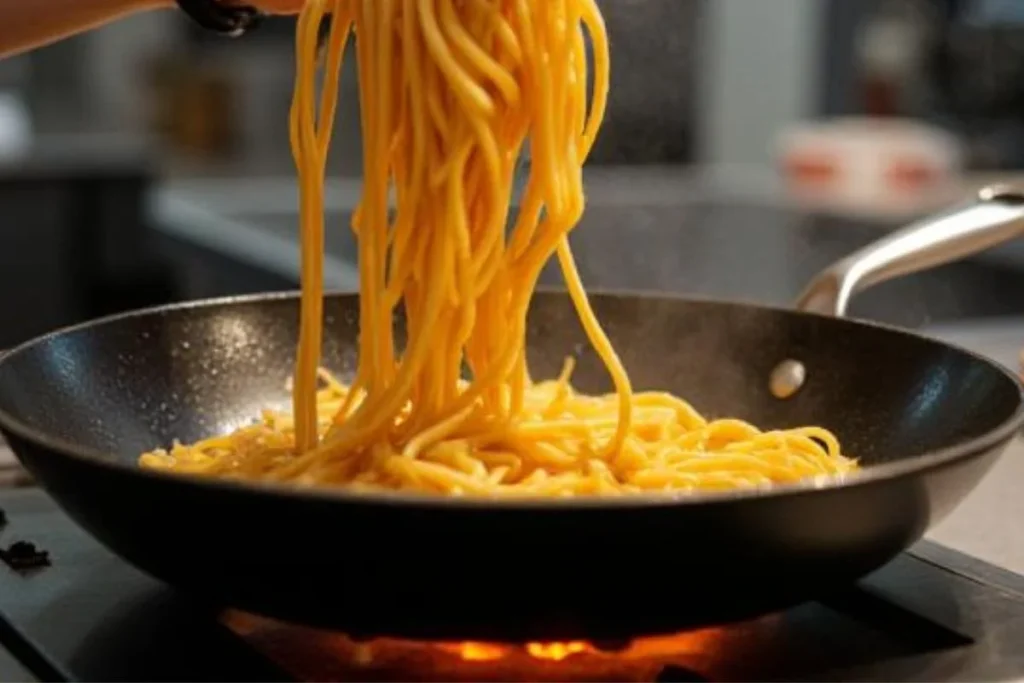
Get your pan smoking hot before you add noodles or protein — that’s where the “wok hei” (that smoky, charred flavor) comes from. Prep everything before you start cooking, because these dishes move fast once the heat’s on. And don’t be afraid of using a little extra oil; it’s part of what gives them that glossy, restaurant-style finish.
None of this requires fancy equipment. A regular non-stick pan or skillet works just fine if you don’t own a wok. The technique matters more than the tool.
One more thing worth mentioning — don’t overcook your noodles before they hit the pan. Slightly undercooking them when boiling actually helps, since they’ll keep cooking once they’re tossed into the sauce, and this is one small detail that makes a surprisingly big difference in texture.
A Quick Note on Nutrition & Food Safety
A few of these noodle dishes call for chicken, beef, shrimp, or eggs, so it’s worth keeping a couple of basic food-safety habits in mind while you cook. Always cook chicken and other poultry to an internal temperature of at least 165°F (74°C), ground beef to at least 160°F (71°C), and shrimp until it turns opaque and firm. A simple meat thermometer takes the guesswork out of this and is genuinely one of the cheapest ways to cook with confidence. Eggs should be cooked until both the whites and yolks are fully set unless a recipe specifically calls for a soft or runny egg. Also try to avoid cross-contamination — use separate cutting boards or wash them thoroughly between raw meat and vegetables.
As for nutrition, any calorie or macro information mentioned around these recipes should be treated as a general estimate, not an exact figure. Actual values can shift quite a bit depending on the specific brands you use, portion sizes, ingredient substitutions, and even small changes in cooking method or oil quantity. If you’re tracking your intake closely for a specific health goal, it’s a good idea to calculate nutrition based on your exact ingredients rather than relying on general estimates from a blog post or cookbook.
Also, while home-cooked meals often mean you have more control over sodium, oil, and ingredient quality compared to takeout, that doesn’t automatically make any single dish a “healthy” or “weight-loss” food on its own. If you have specific dietary needs, allergies, or health conditions, it’s always best to check with a doctor or registered dietitian rather than relying on general blog advice.
Final Thoughts
Instant noodles will always be there for genuine emergencies — I’m not saying throw the pack away. But if you’re tired of settling for bland, salty water with noodles floating in it, it might be time to actually learn a few real Chinese noodle recipes. It’s less effort than you think, and the payoff — both in flavor and in how you feel afterward — is completely worth it.
Once you taste your own homemade garlic noodles or a proper spicy Sichuan bowl, going back to the instant stuff just won’t feel the same.
I still keep a pack of instant noodles in my cabinet, honestly. Some nights call for it. But it’s no longer the default — it’s the backup. And that shift, from default to backup, is really the whole point here. You’re not giving anything up. You’re just adding a much better option to your rotation, one that happens to taste like it came from your favorite restaurant down the street.
If you’re looking for more delicious ways to enjoy homemade chicken, check out these 23 Homemade Chinese Chicken Fingers Recipes packed with crispy, takeout-inspired ideas you can easily make at home.
Frequently Asked Questions
Are Chinese noodle recipes hard to make at home?
Not really. Most of them rely on a few basic techniques — high heat, quick cooking, and balanced sauces. Once you understand the pattern, they come together fast.
What noodles work best for these dishes?
It depends on the dish. Lo mein uses thicker egg noodles, chow mein uses thinner crispy noodles, and dan dan noodles typically use wheat noodles. Most grocery stores carry all three.
Can I cook them without a wok?
Yes. A wide, flat-bottomed skillet or non-stick pan works well for home stoves. A wok helps, but it’s not required to get great results.
Are these recipes healthier than takeout?
Cooking at home generally gives you more control over oil, sodium, and MSG levels compared to restaurant versions, though the exact nutritional difference depends on your specific ingredients and portions. This isn’t medical advice — if you have specific health goals or conditions, it’s best to check with a doctor or dietitian.
Is the cookbook beginner-friendly?
Yes. It’s designed for home cooks, not professional chefs, with clear steps and easy-to-find ingredients.
Can I double the recipes for a bigger family?
Yes, most of them scale up easily. Just cook in batches if your pan gets too crowded, since overcrowding is what usually stops noodles from getting that slightly charred, restaurant-style texture.
A quick, honest note: This post contains an affiliate link. If you decide to buy the cookbook through it, I may earn a small commission — at no extra cost to you. I only recommend things I’ve actually used and genuinely liked, and this cookbook is one of them.

19 Chinese Noodle Recipes So Delicious You’ll Never Buy Instant Noodles Again
It’s 9 PM. You just got home from work. Your stomach is growling, and there’s…

17 Healthy Chinese Recipes That Taste Better Than Takeout
I used to think “healthy” and “Chinese takeout” couldn’t exist in the same sentence —…

17 Homemade Chinese Food Recipes Better Than Your Favorite Restaurant
I still remember the night I gave up on takeout menus for good and started…

23 Homemade Chinese Chicken Fingers Recipes You’ll Make Again and Again
I still remember the first time I tried making Chinese-style chicken fingers at home. I…

10 Genius Small Space Decor Ideas That Made My Tiny Apartment Feel 2X Bigger”
I still remember the day I moved into my 450-square-foot apartment. I stood in the…

31 At-Home Date Night Ideas for Married Couples to Rekindle the Romance
There’s a specific kind of quiet that happens in a marriage around year five or…