

Table of Contents
A few months ago, my aunt called me sounding genuinely worried. She’d been taking fish oil capsules every morning for almost two years, religiously, because her doctor mentioned it might help with “brain fog” as she got older. She wanted to know if it was actually doing anything. Honestly? I didn’t have a great answer for her at the time. So I went down a rabbit hole of research, and what I found surprised me more than I expected.
Turns out, she’s not alone in wondering this. A lot of people pop your omega-3 supplement every day, trust the label, and assume the job is done. But here’s the uncomfortable truth — not all omega-3 products are created equal, and the difference between “doing something” and “doing nothing for your brain” often comes down to details most people never check.
The Problem Nobody Talks About
Let’s be real for a second. Omega-3s have been marketed for years as some kind of brain superfood. Better memory, sharper focus, even protection against cognitive decline as we age — that’s the pitch you’ve probably heard a hundred times.
And to be fair, there’s real science behind omega-3 fatty acids, especially DHA, which makes up a huge part of your brain’s structure. The problem isn’t that omega-3s don’t matter. The problem is that your omega-3 supplement sitting in your kitchen cabinet might not be giving you enough of what your brain actually needs to use.
Here’s why that happens more often than you’d think:
- Many cheaper supplements use fish oil that’s already partially oxidized by the time it reaches you, which reduces its effectiveness
- The ratio of EPA to DHA matters a lot for brain-specific benefits, and most generic brands don’t optimize for that
- Absorption varies wildly depending on the form (triglyceride vs. ethyl ester) — something almost nobody reads on the label
- Storage conditions, like sitting on a hot delivery truck or a sunny shelf, can degrade the oil before it ever reaches your body.

So you could be doing everything “right” — taking your pill daily, staying consistent, trusting the process — and still not get the brain benefits you signed up for. That’s frustrating. It’s also exactly why so many people quietly give up on supplements after a few months, assuming they “just don’t work” for them.
Why This Matters More As You Get Older
Here’s the part that hit me hardest while researching for my aunt. Brain health isn’t really an immediate thing you notice — it’s cumulative. Small dips in memory or focus often build up slowly enough that you write it off as “just getting older” or “just being tired.” But underneath that, there’s actual biology happening, and omega-3s, when properly absorbed, genuinely play a role in supporting it.
This is also where I think marketing has done supplements a disservice. Brands slap “supports brain health” on a bottle and call it a day, without explaining that quality, sourcing, and form make or break whether that claim holds any water for your body specifically.
If brain fog or mental clarity is something you’ve been dealing with regularly, it’s worth digging a little deeper into other mental health and lifestyle tips that can complement what you’re already doing.

Where Things Start Making Sense Again
This is the point where I stopped just reading studies and started actually comparing products — because once you understand what makes an omega-3 supplement effective, it gets a lot easier to spot the ones that are worth your money.
What I landed on, after going through ingredient sourcing, third-party testing, and actual EPA/DHA concentration per serving, was Nordic Naturals Ultimate Omega. Not because it’s flashy or has the loudest marketing, but because it checks the boxes that actually matter — high bioavailability, proper EPA-to-DHA ratio for cognitive support, and sourcing that doesn’t leave the oil sitting around oxidizing before it gets to you.
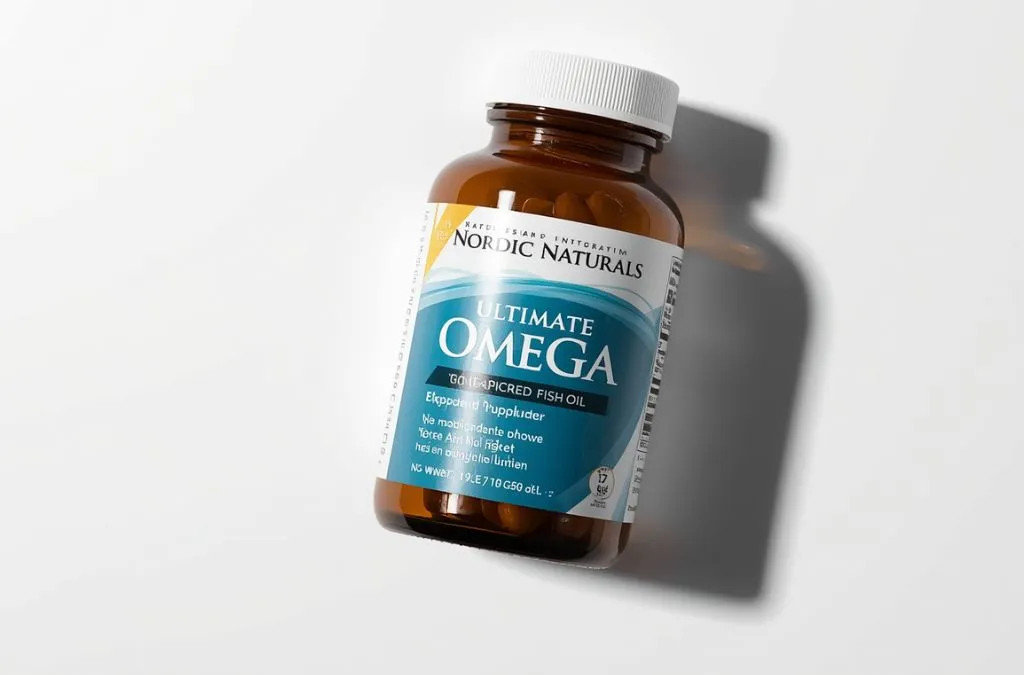
“What I landed on… was Nordic Naturals Ultimate Omega.”
If you’ve been wondering whether your omega-3 supplement is genuinely pulling its weight, this is honestly worth a look before you write off supplements altogether.
What Actually Makes This One Different
I’m not going to throw a wall of buzzwords at you. Here’s the honest breakdown of why this particular formula stood out:
Better absorption, not just better marketing.
The triglyceride form used here is significantly easier for your body to actually process compared to the cheaper ethyl ester versions found in a lot of drugstore brands. That alone changes how much of it your brain actually gets to use.
Freshness that’s actually tested.
Oxidized fish oil doesn’t just lose effectiveness — it can taste and smell off, which is usually the giveaway. This one is third-party tested for freshness, so you’re not gambling on whether the bottle that arrived at your door is still good.
A ratio built for the brain, not just general health.
A lot of supplements optimize for heart health ratios, which isn’t wrong, but it’s not the same thing as optimizing for cognitive support. This formula leans into a DHA-forward ratio specifically because DHA is the fatty acid your brain relies on most.
No weird aftertaste, no fishy burps.
Small thing, but it’s the reason most people actually stick with a supplement long enough to see results instead of quitting after two weeks.
Real Scenarios Where This Actually Helps
Let me put this in context instead of just listing benefits like a brochure.
Think about someone in their 40s or 50s who’s noticed they’re a little slower to recall names, or they walk into a room and forget why. That’s an incredibly common, very human experience — and it’s often where people start looking seriously at brain-supportive nutrition rather than just brushing it off.
Or think about students and professionals doing long stretches of mentally demanding work, where focus and mental stamina genuinely affect performance day to day. Omega-3s, properly absorbed, support the kind of cell membrane health that affects how efficiently neurons communicate.
Or even simpler — someone who’s already eating reasonably well but knows their diet doesn’t include much fatty fish, and wants a reliable way to fill that specific gap instead of guessing.
In every one of these cases, the supplement isn’t a magic fix. It’s a tool. But it only works as a tool if your omega-3 supplement is actually formulated to deliver what it promises.
Why I’m Not Telling You to “Buy Now”
want to be upfront about something. I’m not here to pressure you into anything. If you’re skeptical of supplements in general, that’s a completely reasonable position, and no blog post should talk you out of healthy skepticism.
What I am saying is this: if you’re already taking an omega-3 supplement, or thinking about starting one for brain health reasons, it’s worth spending five minutes checking whether the one you have (or the one you’re about to buy) actually meets the basics — proper EPA/DHA ratio, triglyceride form, third-party freshness testing. Most people never check this, and that’s the actual reason so many supplements “don’t seem to work.”
If you want to skip the research and just see what a properly formulated option looks like, Nordic Naturals Ultimate Omega is the one I’d point you toward, mainly because it doesn’t cut corners on the things that matter.
“You can check current pricing and availability here.”
A Quick Gut-Check Before You Buy Anything
Before you spend money on any brain health supplement, ask yourself these three things:
- Does it clearly state the EPA and DHA amounts per serving, or does it hide behind a vague “fish oil blend”?
- Is it third-party tested for purity and freshness, with results you can actually see?
- Is the form triglyceride-based, or are you getting the cheaper, harder-to-absorb ethyl ester version?
If a product can’t answer these clearly, that’s a red flag worth paying attention to, regardless of how good the packaging looks.

Where This Leaves You
Look, nobody can promise you a sharper memory or laser focus from a bottle — anyone who tells you that is overselling it. What’s reasonable to expect is this: if you’re going to take an omega-3 supplement anyway, you might as well take one engineered to actually be absorbed and used by your brain, instead of one that just sits in your gut doing very little.
My aunt, by the way, switched over after we talked through all this. She’s not claiming miracles. She just says she feels like she’s “not wasting her money anymore,” which honestly might be the most honest review a supplement can get.
If you’ve been quietly wondering whether your omega-3 supplement is actually worth the money you’re spending on it, now’s a good time to find out for sure.
For more on this, check out our mental health and life hacks.
Frequently Asked Questions
Is your omega-3 supplement supposed to show results immediately?
No, and any brand promising overnight results is stretching the truth. Most people taking a properly formulated omega-3 supplement notice gradual improvements in focus and mental clarity over 8 to 12 weeks of consistent use, since omega-3 fatty acids need time to integrate into cell membranes.
How do I know if your omega-3 supplement is actually being absorbed?
The biggest indicators are the form (triglyceride absorbs better than ethyl ester) and whether the product has third-party testing for purity. If your omega-3 supplement doesn’t disclose either of these, there’s a good chance you’re not getting the absorption you’re paying for.
Can I get the same benefit from eating fish instead of taking your omega-3 supplement?
Fatty fish like salmon and sardines are excellent sources of omega-3s, and if you eat them two to three times a week, you may not need a supplement at all. For most people who don’t eat fish regularly, though, your omega-3 supplement becomes a practical way to close that nutritional gap.
Is it safe to take your omega-3 supplement alongside other medications?
Generally, omega-3 supplements are well tolerated, but if you’re on blood thinners or other prescription medication, it’s worth a quick conversation with your doctor before adding your omega-3 supplement to your routine, just to be safe.
Why did my previous omega-3 supplement not seem to do anything?
This is incredibly common, and it usually comes down to oxidized oil, poor EPA/DHA ratios, or low-quality ethyl ester forms that your body struggles to absorb. It doesn’t mean omega-3s don’t work — it often means your omega-3 supplement wasn’t formulated well enough to deliver them properly.
A quick health note: I’m not a doctor, and nothing in this post is meant to replace advice from one. Everyone’s body reacts a little differently to supplements, so if you have an existing health condition, take prescription medication, or are pregnant or nursing, it’s worth checking with your doctor before adding any omega-3 supplement to your routine. What I’ve shared here is based on research and personal experience, not a medical recommendation specific to you.
A quick honest note: this post contains an affiliate link, which means if you decide to buy through it, I may earn a small commission at no extra cost to you. I only recommend products I’ve genuinely looked into and would consider using myself — your trust matters more to me than a quick sale.