

Table of Contents
Introduction: The Weirdest Thing That Actually Worked for Me
I was sitting in my car after a brutal work meeting, heart racing, jaw tight, completely on edge — and my friend texted me: “Stick your tongue out for 40 seconds. I’m serious.“
I laughed. Then I tried it.
By the time I counted to 40, something had shifted. My shoulders had dropped. My breathing had slowed. I didn’t feel fixed, but I felt… less like I was about to explode.
That was the moment I started digging into why sticking out your tongue for 40 seconds may help reduce stress — and what I found genuinely surprised me.
More and more wellness researchers are now exploring why sticking out your tongue for 40 seconds may help reduce stress — and the answer is rooted in how your nervous system physically holds tension
The Stress Problem Nobody Talks About Honestly

Here’s the thing: stress isn’t just a feeling. It’s a full-body event.
When you’re stressed, your nervous system fires up your fight-or-flight response. Your jaw clenches. Your throat tightens. Your tongue literally presses against the roof of your mouth. Your shoulders creep toward your ears. And if you’re like most people, you just… stay there. Stuck in tension mode for hours, sometimes days.
We’re told to “just breathe” or “take a walk” — and sure, those things help. But there’s something almost nobody talks about: the connection between your tongue, your jaw, and your nervous system.
The tension stored in your face and mouth is directly wired to your stress response. And releasing it — even briefly — can send a signal to your brain that the danger has passed.
That’s exactly why sticking out your tongue for 40 seconds may help reduce stress in a way that feels almost immediate.
So What Actually Happens When You Stick Out Your Tongue?
Let’s get into the science a little — but I’ll keep it simple, I promise.
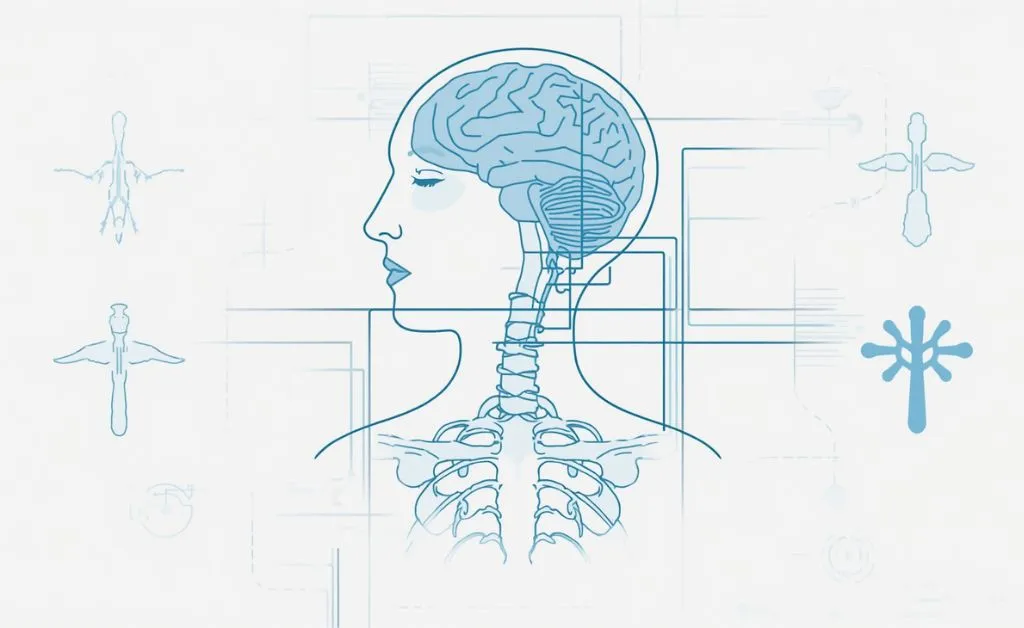
Your tongue is one of the most muscle-dense organs in your body. It’s also closely connected to the vagus nerve, which is essentially the superhighway of your parasympathetic (rest-and-digest) nervous system.
When you’re stressed, the muscles around your jaw, throat, and tongue contract. Your tongue pushes up. Your face tightens. Your entire oral region becomes a pressure cooker of held tension.
Now — when you deliberately stick your tongue out as far as it comfortably goes and hold it for about 40 seconds, a few things happen:
1. You release physical tension in the jaw and throat
The act of extending your tongue fully forces your jaw to relax and your throat muscles to loosen. This breaks the physical tension loop that stress creates.
2.You activate the parasympathetic nervous system
The movement and stretch stimulate nerve endings that communicate calm to your brain. It’s a bit like hitting a biological “reset” switch.
Researchers studying vagal tone and nervous system regulation have found that sticking out your tongue for 40 seconds may help reduce stress by directly stimulating calming nerve pathways in the throat
3.You force a different breathing pattern
With your tongue out, you naturally breathe more slowly and through your mouth. Slower breathing directly lowers your heart rate.
4. You interrupt the stress thought spiral
Let’s be honest — it’s hard to stay in an anxious thought spiral when you’re sitting there with your tongue out. The slight absurdity of the act itself creates a mental pattern interrupt.
This is precisely why sticking out your tongue for 40 seconds may help reduce stress on multiple levels at once — physical, neurological, and psychological.
How to Actually Do It Right

This isn’t complicated, but doing it properly makes a difference.
Step 1: Find somewhere you won’t be judged (your car, the bathroom, your bedroom — anywhere private works).
Step 2: Sit or stand comfortably. Relax your shoulders intentionally before you start.
Step 3: Open your mouth and extend your tongue fully downward — like you’re trying to touch your chin. Don’t strain, but do stretch.
Step 4: Hold it for 40 seconds while breathing slowly through your mouth.
Step 5: When you bring your tongue back in, take three slow, deep breaths before moving on.
That’s it. Do it once when you feel a stress spike coming. Do it twice or three times if you’re in a high-pressure situation. Some people do it as a morning ritual just to start the day in a calmer baseline state.
The reason why sticking out your tongue for 40 seconds may help reduce stress is partly because of the technique itself — and partly because you’re giving your body permission to let go for a moment.
Real-Life Situations Where This Actually Helps
Before a big presentation or meeting
do it in the bathroom stall beforehand.
After a difficult phone call
give yourself 40 seconds before jumping to the next task.
During a parenting meltdown moment
yes, your kids will stare at you, but you’ll handle the next five minutes much better.
Mid-commute road rage
obviously wait until you’re parked.
Winding down before bed
when your brain won’t stop racing
People who already practice yoga may recognize this from the Lion’s Breath (Simhasana) pose — which involves exhaling while sticking out your tongue. This is a technique that’s been used for centuries to release tension, and modern nervous system research is now catching up with the why behind it.
Want to Take Your Stress Relief Further?
The tongue technique is a great starting point, but if you’re dealing with chronic stress, you might want a more complete toolkit.
There are some really solid stress relief and nervous system support supplements, guided programs, and relaxation tools that work well alongside this kind of breathwork. I’ve personally found that pairing physical nervous system reset techniques with targeted nutritional support made a noticeable difference in how I handled day-to-day pressure.
👉 If you’re curious about what I use to support my nervous system daily, check this out. I only recommend things I’ve actually tried.
Why 40 Seconds Specifically?

Fair question.
The 40-second window isn’t random. It roughly corresponds to the time needed for your nervous system to begin shifting from a sympathetic (stress) state toward a parasympathetic (calm) state. It’s similar to the principle behind “box breathing” (4 counts in, hold, out, hold) — the duration gives your body enough time to register the shift, not just skim past it.
If 40 seconds feels too long at first, start with 20 seconds and work up. The key is that you’re doing it deliberately and with intention — not just flicking your tongue out for a second and going back to stress mode.
Consistency matters more than perfection here. Even three to four times a week, the practice of finding those 40 seconds may start to rewire how your body defaults under pressure.
The evidence is growing that sticking out your tongue for 40 seconds may help reduce stress when practiced regularly — and the beautiful thing is it costs nothing and requires no equipment.
A Few Things Worth Knowing
This isn’t a replacement for professional mental health support. If you’re dealing with clinical anxiety, depression, or chronic stress, please talk to a qualified professional. Think of this as a tool in the toolkit, not a cure. Some people combine this with cold water on the wrists or a few rounds of slow nasal breathing for an even stronger calming effect. If you have any jaw or TMJ issues, be gentle and don’t force the stretch.
The Bottom Line
Look, there’s no shortage of stress advice on the internet. Some of it is helpful. A lot of it is vague and hard to actually use in the moment.
This one is different — it’s weird enough to be memorable, simple enough to do anywhere, and grounded in real nervous system science.
The next time you feel your chest tighten, your thoughts speed up, or your jaw clench — give it a shot. Stick your tongue out, count to 40, breathe.
You might feel a little silly. You’ll probably also feel a little better.
And sometimes, that 40 seconds is all you need to get back to yourself.
Ready to Build a Real Stress-Relief Routine?
If this resonated with you and you want to go deeper — whether that’s through better sleep, nervous system nutrition, or daily relaxation habits — I’ve put together some resources that I genuinely use and recommend.

👉 Take a look at what I’ve found helpful for building a real, sustainable calm-down routine. No fluff, just things that actually work.
Frequently Asked Questions
Q: Does sticking out your tongue for 40 seconds really help with
A: Yes, there’s good reasoning behind why sticking out your tongue for 40 seconds may help reduce stress. It releases jaw and throat tension, activates the vagus nerve, and interrupts the physical stress response. It’s not magic, but it’s a legitimate nervous system tool.
Q: Where does this technique come from?
A: It has roots in yoga — specifically Lion’s Breath (Simhasana) — and is supported by modern research into how physical tension in the face and throat connects to the autonomic nervous system.
Q: How many times a day should I do it?
A: There’s no strict rule. Once or twice during a stressful moment is great. Some people do it as a morning routine to start from a calm baseline. Listen to your body.
Q: Can I do this in public?
A: Honestly, it’s best done privately — bathroom, car, anywhere you won’t be interrupting a business meeting with your tongue hanging out. But hey, do what works for you.
Q: What if I feel lightheaded?
A: The slow breathing can cause very mild lightheadedness in some people, especially if they’re not used to it. Sit down, slow your breath, and return to normal breathing. It passes quickly.
Q: Is this the same as Lion’s Breath in yoga?
A: Very similar. Lion’s Breath involves exhaling forcefully while sticking the tongue out, whereas this technique focuses on the held stretch and slower breathing. Both target the same general area of tension.
Q: Can kids do this too?
A: Yes, and they’ll probably enjoy it more than adults. It can be a fun way to help children manage frustration or anxiety without it feeling like a “therapy” thing.
Q: Why specifically 40 seconds and not 30 or 60?
A: Forty seconds appears to be the sweet spot for giving your nervous system enough time to begin shifting states — similar to the principles used in timed breathing techniques. You can adjust slightly based on comfort, but don’t rush it.
Disclaimer: This post is for informational purposes only and is not a substitute for professional medical advice. It also contains affiliate links — I may earn a small commission if you purchase, at no extra cost to you.
Small habits can make a big difference. Explore our guide on 10 Simple Lifestyle Hacks for Busy People to Plan Your Day Better for more easy wellness tips.